After Rehabilitation: Building a New Life

Completing a rehabilitation program is a great achievement, but true recovery begins afterward.
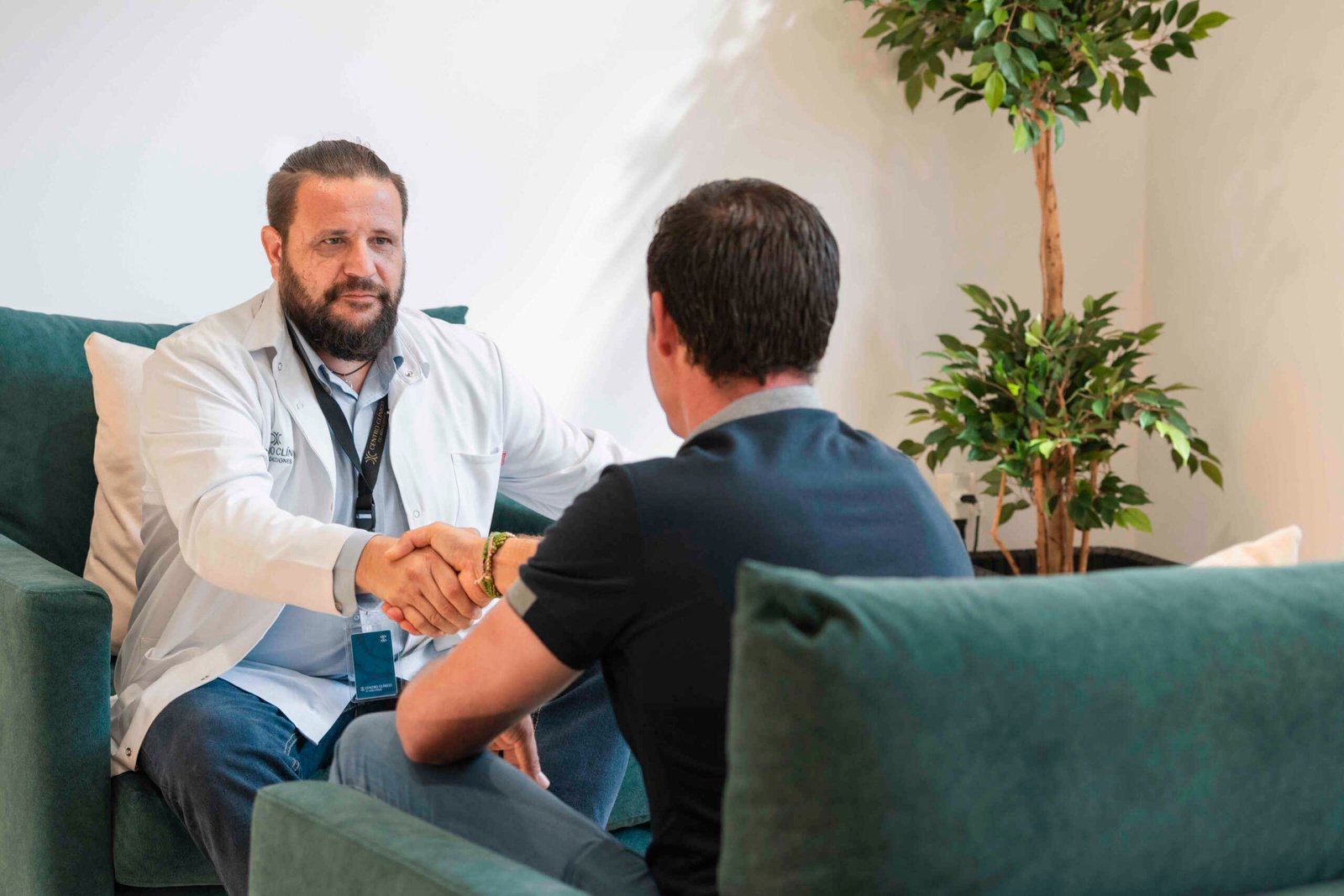
At CC Adicciones, we accompany each person in their process of social reintegration, relapse prevention, comprehensive health care, and personal reconstruction to ensure solid and lasting recovery.

This stage is key to consolidating the changes achieved during therapy and avoiding a return to destructive patterns.

Social and Family Reintegration

Social and family reintegration is one of the most important challenges after overcoming an addiction. Personal relationships may have been affected during substance use, and healing them requires time, empathy, and new communication tools.

At CC Adicciones, we help our patients and their families to:

  • Restore relationships damaged by substance use.
  • Learn to communicate in a healthy and effective manner.
  • Establish healthy boundaries to protect the recovery process.
  • Involve the family in therapy to create a supportive environment.
  • Distance themselves from high-risk environments and people that may trigger relapses.

Recovery is not achieved in isolation: the support network is a fundamental pillar.

Relapse Prevention: Tools to Maintain Progress

Relapse is a real possibility, but it can be prevented with well-defined strategies. Our post-rehabilitation program includes practical tools to anticipate high-risk situations and maintain long-term motivation.

Some of our strategies:

  • Avoid people, places, and situations associated with substance use.
  • Create solid support networks (family, therapeutic, and social).
  • Learn emotional and stress management techniques.
  • Establish realistic goals that reinforce motivation.
  • Recognize early warning signs and act in time.

Relapse prevention is not only about avoiding risks; it is about strengthening resilience.

Physical and Mental Health

Comprehensive recovery involves maintaining healthy habits that sustain physical and emotional well-being.

Physical care:

  • Balanced nutrition to provide essential nutrients.
  • Regular exercise to release endorphins and improve mood.

Mental care:

  • Attention to associated disorders such as anxiety or depression.
  • Relaxation techniques, mindfulness, or cognitive-behavioral therapy.
  • Foster long-term emotional stability.

Caring for comprehensive health strengthens the ability to maintain sobriety.

Development of Goals and Purpose

Recovering a sense of purpose is key to sustaining change.
After leaving addiction behind, many people redefine their life project and find in this stage an opportunity to grow.

Some possible paths include:

  • Academic or professional training.
  • Job placement or career change.
  • Participation in volunteer activities.
  • Development of hobbies and personal passions.

Having clear goals provides structure, self-esteem, and daily motivation.

Rebuilding Self-Esteem and Identity

Overcoming an addiction involves emotional reconstruction. Many people face feelings of guilt, insecurity, or loss of identity after rehabilitation. This stage is essential to:

  • Strengthen self-esteem and regain self-confidence.
  • Forgive oneself for past mistakes.
  • Redefine one’s identity from sobriety.
  • Participate in individual or group therapy to work through deep emotions.
  • Develop a positive and self-compassionate attitude.

Accepting and embracing this new version of oneself is a fundamental step toward a full and addiction-free life.

There is a way out. Always.
Contact us and we will help you

Contact us

We will help you as soon as possible

CALL US

Frequently Asked Questions About After Rehabilitation at CC Adicciones

What happens after completing the rehabilitation treatment?

After completing residential treatment, CC Adicciones offers an outpatient follow-up program that includes individual and group therapy sessions, medical support, support groups, psychoeducational workshops, and family support. This comprehensive approach helps consolidate the progress achieved and prevent relapses.

What type of support is offered to families after rehabilitation?

CC Adicciones provides guidance and support to families to help them understand the recovery process, improve communication, and establish healthy boundaries. Family therapy sessions are offered to strengthen the family environment and facilitate the patient's reintegration.

How long does the post-rehabilitation follow-up program last?

The duration of the follow-up program varies according to the individual needs of the patient. Generally, a personalized plan is established that may extend for several months, with periodic sessions to evaluate progress and adjust interventions as necessary.

Is it possible to access the follow-up program if treatment was not completed at CC Adicciones?

Yes, CC Adicciones offers outpatient follow-up programs to individuals who have completed their treatment at other centers. An initial evaluation is conducted to design an intervention plan adapted to the specific needs of the patient.

How is progress measured during post-rehabilitation follow-up?

Progress is evaluated through periodic feedback sessions, self-assessment questionnaires, monitoring of established goals, and observation of changes in the patient's behavior and well-being. Additionally, self-reflection and the establishment of short- and long-term goals are encouraged. During this process, the family is informed about the achievement of objectives and the evolution of their loved one.

Related resources

Lo siento, no se han encontrado publicaciones.

Entities that guarantee our quality

Entities that guarantee our quality

Entities that guarantee our quality